Manipura Chakra: How to Build Confidence, Inner Strength, and Personal Power Through Yoga
Category: Yoga Education
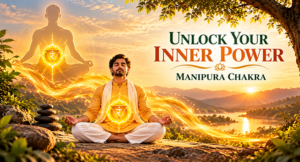
Manipura Chakra: Unlock Your Inner Power
Discover the traditional meaning of Manipura Chakra, its symbolism, yoga practices, breathing techniques, and meditation methods for confidence and inner strength.
Awaken the Fire Within You
Every person has the potential to learn, grow, and move towards a meaningful goal. Sometimes, all we need is a little time for ourselves—a moment to breathe, a chance to move our bodies, and an opportunity to reconnect with our inner determination.
Imagine beginning your morning with a peaceful yoga practice. You stand steadily on your mat, breathe consciously, and move through each posture with awareness. As your practice becomes a regular part of your life, you begin to appreciate the value of patience, discipline, and consistent effort.
In traditional yogic philosophy, the Manipura Chakra (మణిపూరక చక్రం) is the third chakra in the commonly described seven-chakra system. It is associated with the fire element, transformation, determination, and personal power. Its traditional symbolism encourages us to direct our energy towards positive action and purposeful living.
Just as a small flame can illuminate a dark space, a meaningful daily habit can become the beginning of a positive transformation in our lives.
At Yogalaya Vedic, yoga is a journey that brings together traditional wisdom, physical practice, pranayama, meditation, and self-awareness. You do not need to be an expert to begin. Start with one breath, one movement, and one positive intention.
Article Summary
The Manipura Chakra, traditionally known as the third chakra, represents the fire of transformation and is associated with determination, confidence, personal discipline, and purposeful action. Its traditional color is yellow, its element is fire, and its seed mantra is RAM (रं — రం).
This article explores the meaning and symbolism of Manipura Chakra, the traditional RAM mantra, and suitable yoga asanas, pranayama, meditation, and practical daily habits. Through consistent yoga practice, readers can work towards greater body awareness, concentration, flexibility, strength, and a balanced approach to everyday life.
Key Takeaways
- Third Chakra: Manipura Chakra is the third chakra in traditional yogic philosophy.
- Element of Fire: Its traditional element is fire (Agni).
- Traditional Color: Yellow or golden yellow is its commonly associated color.
- Seed Mantra: Its traditional seed mantra is RAM (रं — రం).
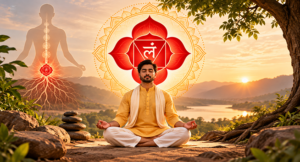
- Ten-Petalled Lotus: It is represented by a ten-petalled lotus in common chakra illustrations.
- Symbolic Meaning: Its symbolic themes include determination, transformation, personal power, and self-discipline.
- Yoga Asanas: Suitable yoga asanas can help develop strength, mobility, coordination, and body awareness.
- Pranayama and Meditation: These practices offer opportunities to cultivate concentration and mindful relaxation.
- Healthy Daily Habits: A regular, comfortable yoga routine can become a valuable part of a healthy lifestyle.
1. What Is the Manipura Chakra?
The Sanskrit word “Manipura” is commonly interpreted as “city of jewels.” In traditional yogic and tantric teachings, the Manipura Chakra symbolizes an inner center of transformation and purposeful energy.
Fire plays an important role in this symbolism. Fire transforms, illuminates, and gives warmth. In the same way, Manipura invites us to reflect on how we use our abilities, develop our determination, and transform our intentions into meaningful actions.
Think about learning a new yoga posture. At first, it may require concentration and patience. With regular practice and appropriate guidance, your coordination and understanding can gradually improve. Each session becomes an opportunity to learn something new.
This is the spirit of transformation that Manipura represents in traditional chakra philosophy.
Traditional Characteristics of Manipura Chakra
| Feature | Traditional Association |
|---|---|
| Sanskrit name | Manipura |
| Telugu name | మణిపూరక చక్రం |
| Chakra number | Third |
| Traditional location | Navel or upper-abdominal region |
| Element | Fire (Agni) |
| Color | Yellow or golden yellow |
| Seed mantra | RAM (रं) |
| Lotus symbol | Ten petals |
| Main themes | Determination, transformation, confidence, and personal power |
These traditional associations can provide a meaningful focus for yoga, mantra chanting, and meditation.
2. Why Is Manipura Chakra Important in Yoga?
Yoga teaches us to give attention to the way we move, breathe, and respond to each moment. The traditional qualities associated with Manipura can inspire us to bring the same awareness into our everyday lives.
Confidence Through Practice
Confidence can grow as we develop skills, learn from experience, and recognize our progress. Every comfortable posture, every conscious breath, and every completed session can become a reminder of the value of consistent effort.
Discipline Through Routine
A regular yoga practice creates dedicated time for your well-being. Even a short session can be a positive beginning when it is practiced consistently and appropriately.
Determination Through Patience
Progress does not require rushing. Learning to respect your own pace helps you develop a sustainable relationship with yoga.
Transformation Through Awareness
When we become more aware of our habits, we have an opportunity to make thoughtful choices. Yoga provides a space to pause, observe, and reconnect with our intentions.
Balance Through Mindful Living
Personal strength is most valuable when combined with patience, kindness, and respect for others. Manipura symbolism encourages purposeful action while maintaining inner balance.
3. Manipura Chakra Beej Mantra: RAM (रं — రం)
The traditional seed mantra associated with Manipura Chakra is RAM (रं — రం).
Mantra chanting is an important part of many traditional yoga and meditation practices. Repeating a mantra can provide a steady point of attention and help establish a meaningful meditation routine.
How to Chant the RAM Mantra
- Sit comfortably on a yoga mat or chair with your spine naturally upright.
- Relax your shoulders, face, and hands.
- Allow your breathing to settle into a comfortable rhythm.
- Gently bring your awareness to the navel region.
- Inhale naturally and chant “RAAAM” as you exhale.
- Repeat 9 times to begin, gradually increasing to 27 or 108 repetitions if suitable for your practice.
- Finish by sitting quietly for one or two minutes.
Allow the sound to flow naturally without straining your throat or forcing your breath. You can also repeat the mantra silently.
A Simple Manipura Affirmation
“I practice with patience. I act with awareness. I welcome learning and move towards my goals with determination.”
Carry this intention into one practical action during your day.
4. Yoga Asanas for Manipura Chakra
Yoga asanas form an important part of a balanced yoga routine. The following postures can help develop mobility, strength, coordination, and awareness of the body.
Choose the variations that suit your experience and comfort.
A. Tadasana — Mountain Pose
Tadasana develops awareness of standing posture and stability.
How to Practice
- Stand with your feet comfortably grounded.
- Lengthen your spine without stiffening your body.
- Relax your shoulders and allow your arms to rest naturally.
- Keep your breathing steady.
- Remain for several comfortable breaths.
Practice focus: Stability, posture, and mindful presence.
Motivational message: Build your foundation patiently. Small, consistent efforts can support meaningful progress.
B. Marjaryasana–Bitilasana — Cat-Cow Pose
Cat-Cow combines gentle spinal movement with conscious breathing.
How to Practice
- Begin on your hands and knees.
- Inhale as you gently open the chest and lengthen the front of your body.
- Exhale as you round your spine comfortably.
- Keep your neck relaxed and movements smooth.
- Repeat for several rounds.
Practice focus: Spinal mobility and breath coordination.
Motivational message: Learn to move with awareness and adapt to what your body needs each day.
C. Bhujangasana — Cobra Pose
Cobra Pose introduces a gentle backbend and encourages awareness of the back muscles.
How to Practice
- Lie on your stomach with your legs extended comfortably.
- Place your hands near your shoulders.
- Keep your elbows gently bent.
- Lift your chest to a comfortable height without forcing the lower back.
- Keep your shoulders relaxed and lower slowly.
Practice focus: Back-body strength and controlled movement.
Motivational message: Growth happens when we challenge ourselves wisely and respect our limits.
D. Setu Bandhasana — Bridge Pose
Bridge Pose can help develop gluteal strength and controlled movement through the hips.
How to Practice
- Lie on your back with your knees bent and feet on the floor.
- Keep your feet comfortably apart.
- Press through your feet and lift your hips gently.
- Breathe naturally and keep your neck relaxed.
- Lower your hips slowly.
Practice focus: Strength, coordination, and body awareness.
Motivational message: Strengthen your foundation through regular practice rather than rushing towards results.
E. Navasana — Boat Pose
Boat Pose is an optional posture that challenges balance and trunk strength. Beginners can start with a modified version.
How to Practice
- Sit with your knees bent and feet on the floor.
- Lengthen your spine and lean back slightly.
- Keep your toes on the floor or lift one foot at a time if comfortable.
- Continue breathing naturally.
- Return to your starting position before you feel strained.
Practice focus: Concentration, balance, and gradual strength development.
Motivational message: Focus on your own progress. Yoga is a personal journey, not a competition.
F. Balasana — Child’s Pose
Child’s Pose provides a gentle opportunity to rest between active postures.
How to Practice
- Begin in a kneeling position.
- Fold forward only as far as comfortable.
- Rest your arms naturally.
- Use a cushion under your head if needed.
- Breathe gently and return slowly.
Practice focus: Relaxation, recovery, and inward awareness.
Motivational message: Rest is part of a balanced practice. Give yourself time to recover and return with renewed attention.
Practice safely: Move within a comfortable range, avoid forcing any posture, and seek guidance from a qualified yoga teacher if you are unsure how to modify a pose.
5. Pranayama for Manipura Chakra Practice
Pranayama is the traditional yogic practice of working consciously with the breath. A gentle breathing routine can provide time to settle the mind and bring awareness to the present moment.
A. Diaphragmatic Breathing
Sit or lie comfortably. Notice the natural movement of your lower ribs and abdomen as you breathe.
Allow the breath to remain soft and comfortable for two to five minutes.
Practice focus: Relaxation and breath awareness.
B. Nadi Shodhana — Alternate-Nostril Breathing
Nadi Shodhana is a traditional alternate-nostril breathing practice.
How to Practice
- Sit comfortably with your spine upright.
- Close one nostril gently and breathe through the other.
- Switch sides at a comfortable pace.
- Continue for a few rounds without holding your breath.
Practice focus: Concentration and measured breathing.
C. Bhramari — Humming Bee Breath
Bhramari combines gentle breathing with a soft humming sound.
How to Practice
- Sit comfortably and relax your face.
- Inhale gently.
- Exhale with a soft, steady humming sound.
- Repeat several times without straining.
Practice focus: Quiet attention and relaxation.
Pranayama reminder: Begin gently and learn under qualified guidance when exploring new techniques. Comfortable breathing is more important than trying to achieve a particular sensation.
6. Manipura Chakra Meditation: The Golden Light
In traditional chakra meditation, Manipura is commonly visualized as a luminous yellow or golden center associated with the fire element.
This practice uses golden-light visualization as a focus for attention and personal reflection.
Step-by-Step Meditation
Step 1: Prepare Your Space
Sit comfortably in a quiet place where you can relax without unnecessary interruptions.
Step 2: Settle Your Breathing
Close your eyes if comfortable and allow your breath to follow its natural rhythm.
Step 3: Visualize Golden Light
Imagine a gentle golden-yellow light around the navel region. Allow the image to remain soft and peaceful.
Step 4: Repeat the RAM Mantra
Chant RAM softly or repeat it mentally at a comfortable pace.
Step 5: Reflect on Your Intention
Ask yourself these questions:
- What positive habit would I like to develop?
- What meaningful step can I take today?
- How can I approach my responsibilities with awareness?
- How can I combine determination with kindness?
Step 6: Close with Gratitude
Sit quietly for a few moments and return your attention to your surroundings.
You can begin with five minutes and gradually extend the practice as it becomes comfortable.
A Daily Intention
“I dedicate time to my growth. I practise with awareness, take meaningful action, and welcome each opportunity to learn.”
7. A Simple 15-Minute Daily Manipura Yoga Routine
A short routine can help you establish a regular practice without making it difficult to fit into your day.
| Practice | Duration |
|---|---|
| Comfortable sitting and breath awareness | 2 minutes |
| Tadasana and gentle Cat-Cow | 3 minutes |
| Cobra or Bridge Pose, as suitable | 3 minutes |
| Gentle breathing practice | 3 minutes |
| RAM mantra meditation | 3 minutes |
| Quiet reflection | 1 minute |
| Total | 15 minutes |
Adapt the routine to your experience, mobility, and comfort. Allow sufficient time after meals before postures that involve bending or abdominal effort.
How to Make Yoga a Daily Habit
- Choose a time that works with your schedule.
- Prepare your yoga mat and comfortable clothing in advance.
- Start with a manageable routine.
- Focus on comfortable movement and mindful breathing.
- Notice your progress without comparing yourself with others.
- Return to your practice regularly and allow it to develop naturally.
Remember: You do not need to be perfect to begin yoga. You simply need to begin at a level that suits you.
8. Bringing Manipura Principles into Everyday Life
The traditional themes of Manipura can inspire practical habits that support personal growth.
Set a Meaningful Goal
Choose one realistic task each day and give it your attention.
Develop Self-Discipline
Treat your yoga session as dedicated time for your well-being. Regular practice can help you establish a positive routine.
Practise Thoughtful Decisions
Pause before reacting to challenging situations. Give yourself time to consider your response.
Welcome Learning
Every new skill requires patience. Appreciate the opportunity to learn and refine your approach.
Balance Activity with Rest
A balanced routine includes movement, relaxation, sleep, and time for reflection.
Share Your Strength Positively
Use your abilities to contribute meaningfully to your family, workplace, and community.
These habits help bring the traditional symbolism of personal power into everyday life.
9. Manipura Chakra: Traditional Wisdom for Daily Practice
Fire — The Symbol of Transformation
In traditional yogic philosophy, fire represents transformation and is associated with Manipura Chakra.
Apply it in daily life: Choose one positive habit and practise it consistently.
Yellow — The Symbol of Clarity
Yellow or golden yellow is commonly used to represent Manipura.
Apply it in meditation: If you enjoy visualization, imagine a gentle golden light as a reminder of clarity and purpose.
RAM — The Traditional Seed Mantra
RAM (रं) is the traditional Beej mantra associated with the Manipura Chakra.
Apply it in daily life: Set aside a few quiet minutes for mantra chanting and reflection.
Discipline — The Foundation of Progress
A regular yoga practice creates an opportunity to return to your goals with patience.
Apply it in daily life: Make a realistic commitment to your practice and allow the habit to develop step by step.
Balance — The Art of Mindful Living
Traditional yoga encourages awareness of body, breath, and mind.
Apply it in daily life: Combine determination with rest, patience, and consideration for others.
10. The Value of Regular Yoga Practice
Yoga brings together movement, breathing, concentration, and relaxation. When practiced appropriately, it can become a valuable part of a balanced lifestyle.
Regular yoga practice may support:
- Flexibility and mobility: Gentle movements help you work towards comfortable movement.
- Strength and balance: Suitable asanas challenge muscles and coordination.
- Stress management: Time dedicated to movement and breathing can support relaxation.
- Mindful awareness: Yoga offers opportunities to notice habits and respond more thoughtfully.
- Healthy routines: A regular practice creates dedicated time for personal well-being.
- Personal growth: Consistent learning encourages patience, discipline, and a deeper understanding of your own needs.
Scientific References and Further Reading
The US National Center for Complementary and Integrative Health (NCCIH) provides a published overview of yoga research, including its potential contributions to general wellness, stress management, sleep, and balance.
Scientific reference: NCCIH — Yoga: Effectiveness and Safety
For additional information, explore these resources:
The best way to begin is to choose a practice that suits your needs, learn the techniques carefully, and continue at a comfortable pace.
Important: Classical yogic texts describe chakra sadhana and kundalini awakening through the experiences and spiritual framework of yoga. Practitioners may experience different sensations and changes during practice; these should be understood thoughtfully, under appropriate guidance, rather than treated as universal proof of chakra activation.
11. Frequently Asked Questions About Manipura Chakra
What is Manipura Chakra?
Manipura is the third chakra in many traditional yogic systems. It is associated with the navel region, the fire element, and themes of transformation, determination, and personal power.
What is the Manipura Chakra mantra?
The traditional seed mantra is RAM (रं — రం). It can be chanted aloud or repeated mentally during meditation.
What is the color of the Manipura Chakra?
Manipura is commonly represented by yellow or golden yellow in traditional chakra illustrations.
Which element is associated with Manipura Chakra?
The traditional element is fire, known as Agni in Sanskrit.
Which yoga asanas are suitable for Manipura Chakra practice?
Tadasana, Cat-Cow, Bhujangasana, Setu Bandhasana, and Balasana may be included in a suitable routine. Navasana can be introduced gradually when appropriate for your ability and comfort.
How long should I practice Manipura meditation?
Beginners can start with five minutes and gradually extend the session according to comfort and available time.
Can beginners chant RAM?
Yes. Beginners can chant RAM softly or repeat it mentally while sitting comfortably and breathing naturally.
Can I practice Manipura meditation every day?
You can include a comfortable meditation session in your daily routine. Choose a duration that suits your schedule and experience.
What is the traditional significance of the ten-petalled lotus?
In common chakra illustrations, Manipura is represented by a ten-petalled lotus. The symbol is part of traditional chakra imagery and can serve as a focus for meditation.
What is the best time to practice yoga?
Choose a time that allows you to practice regularly without rushing. Morning and evening sessions can both fit into a balanced routine.
12. Conclusion: Transform Your Intention into Action
The Manipura Chakra offers a traditional way to reflect on determination, personal growth, and the purposeful use of our energy. Its symbolism of fire reminds us that meaningful transformation begins with small actions, repeated with patience and awareness.
You do not need to change everything in one day. Begin with a few comfortable yoga postures. Give yourself time to breathe consciously. Chant RAM with awareness. Sit quietly and choose one positive action for the day.
Every session becomes an opportunity to reconnect with yourself and make space for healthy habits.
At Yogalaya Vedic, we believe yoga is a journey of learning, awareness, and personal development. Through traditional yogic principles, asanas, pranayama, and meditation, you can build a practice that fits your life and supports your continued growth.
Whether you are a beginner or an experienced practitioner, there is always something new to learn.
Start with one breath. Continue with one practice. Build your journey one day at a time.
Begin Your Yoga Journey with Yogalaya Vedic
Explore yoga practices that bring together traditional wisdom and modern well-being.
Discover practices that can help you develop a consistent routine through mindful movement, conscious breathing, and meditation.
Explore Yogalaya VedicPractise with awareness. Grow with discipline. Live with purpose.